The fastest way to waste money on AI is to start with the most impressive demo instead of the most time consuming job. In a private clinic, the best first jobs are repetitive, text heavy and easy for a person to check. Here are seven that fit, and three that do not.
of employees' working time is spent on activities that today's generative AI and other technologies could, in principle, help automate. That is a measure of potential, not a forecast that the work will disappear.
Source: McKinsey Global Institute, June 2023Which admin jobs should a clinic give AI first?
- Replies to common enquiries: prices, availability, preparation and aftercare, drafted from your own information for reception to send
- Referral letter summaries: the history, medications and the question being asked, at the top of the page
- Letters for sign off: referral, results and treatment plan letters drafted from the clinician's notes
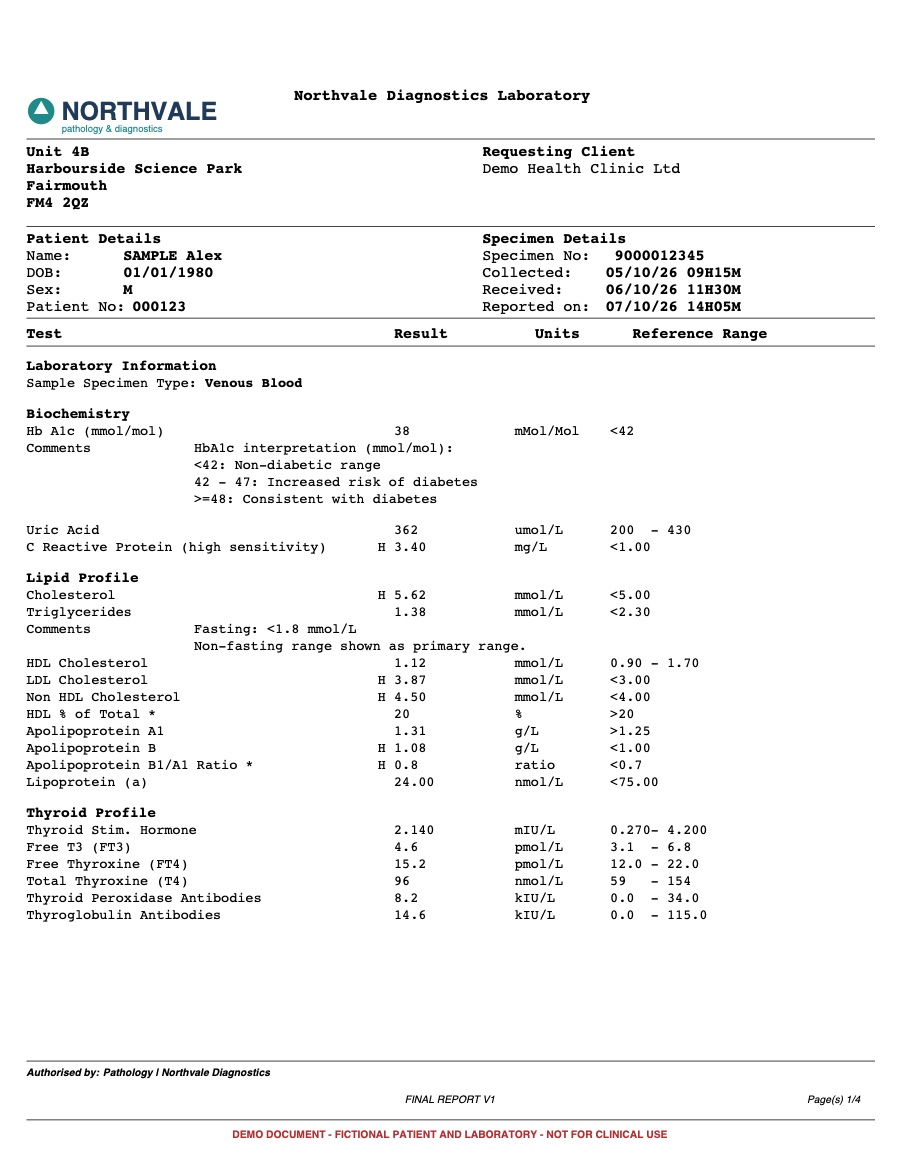
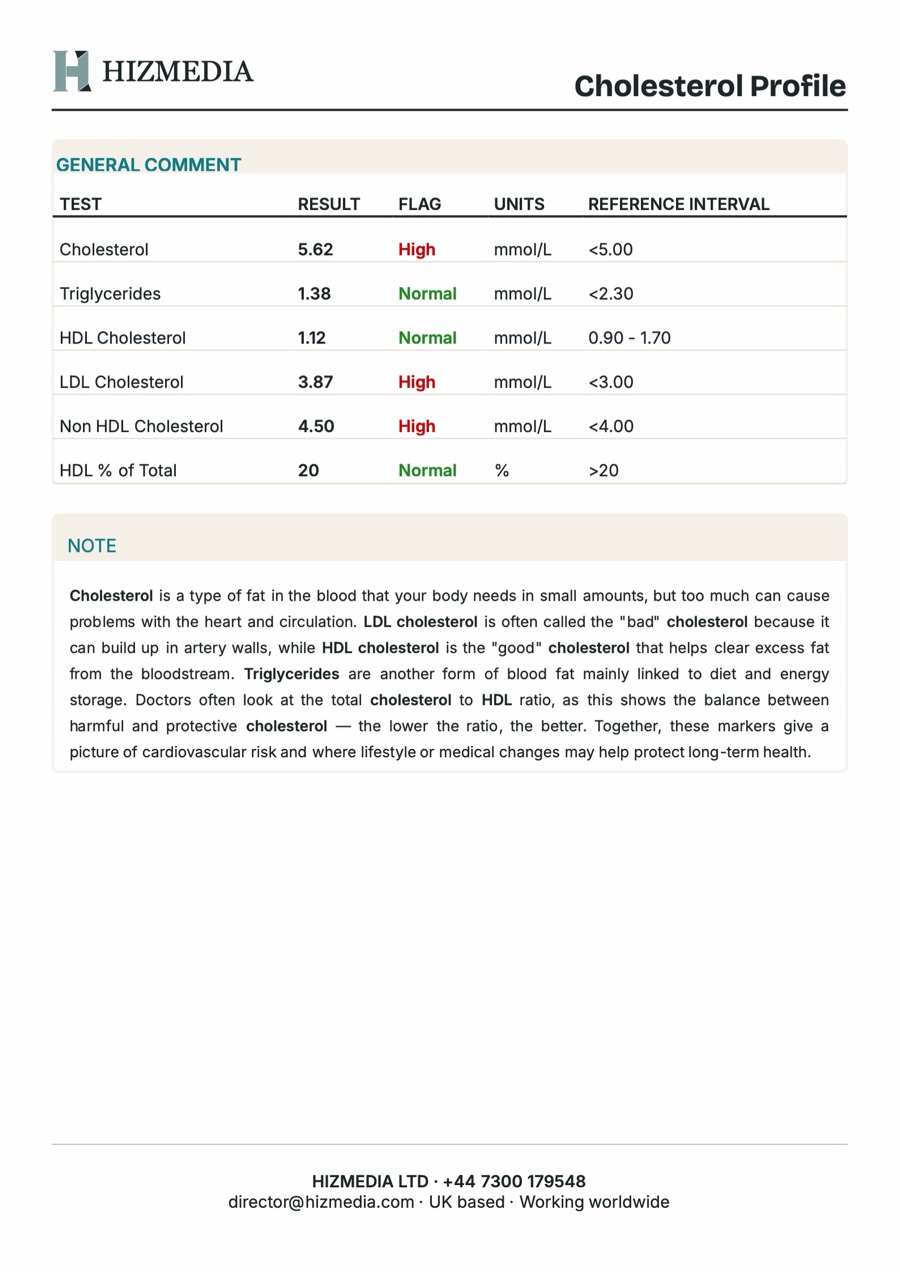
- Results from lab PDFs: markers, ranges and flags pulled into your template without retyping
- Policy questions: staff ask in plain English and get the answer from your own policies, with the source
- Review replies: considered responses to every Google review, approved before they go live
- Insurer reports: pre-authorisation and progress reports drafted from the notes
Lab results are a good example of a job that pays back quickly. Our Lab Report Builder shows what that looks like, and our article on rewriting lab reports by hand vs automating it covers the trade-offs.
Which jobs should AI not do?
- Clinical decisions: diagnosis, treatment choices and advice a patient will rely on stay with clinicians
- Anything sent to a patient unchecked: AI drafts, a person approves
- Marketing claims about treatments, especially prescription only medicines, without a human check against the ASA and CAP rules
For aesthetics clinics in particular, our guide to marketing aesthetic treatments within the rules explains why that last point matters.
How do you choose between them?
| Question | Good sign | Warning sign |
|---|---|---|
| How often does it happen? | Daily or many times a week | A few times a year |
| Is it mostly text? | Letters, replies, summaries | Physical or hands on work |
| Can a person check it quickly? | A glance before sending | Needs full rework to verify |
| How sensitive is the data? | Can be done with little or no patient data | Needs full records to work |
How do you get the team to actually use it?
of people using AI at work had received AI training from their company, even though three in four knowledge workers already use it.
Source: Microsoft and LinkedIn, Work Trend Index, May 2024Adoption is where most rollouts stall. Short, role based sessions built around the clinic's real tasks work better than generic training: reception practises on real enquiries, clinicians on real letters. Load the tool with your own templates and policies first, so the first experience is useful rather than generic.
- Start with one job per role, not ten
- Load your templates, prices and policies before anyone uses it
- Show people how to check AI output, not just how to prompt
- Measure the hours before and after, and share the result with the team
See how we approach it on our AI integration page, or explore training (opens in a new tab) and custom tools (opens in a new tab) with Hizmedia Intelligence.
Frequently asked questions
Usually drafting replies to common enquiries or summarising referral letters. Both happen many times a week, are mostly text and are quick for a person to check before anything goes out.
It can draft them from the clinician's notes, which saves typing, but a clinician must review and sign off every letter. Clinical judgement stays with the clinician.
Make clinical decisions, send anything to patients without a person approving it, or publish treatment marketing without a human check against advertising rules.
A focused first rollout, one or two jobs per role with training, can usually be in place within a few weeks. Larger custom tools take longer and are scoped separately.
Sources
Find out where AI could give your clinic hours back.
AI work at Hizmedia is delivered by Hizmedia Intelligence, our AI consultancy. Start with a time audit: we measure where your team's hours go and set real targets before you spend anything.
Related service: AI Integration for clinics